
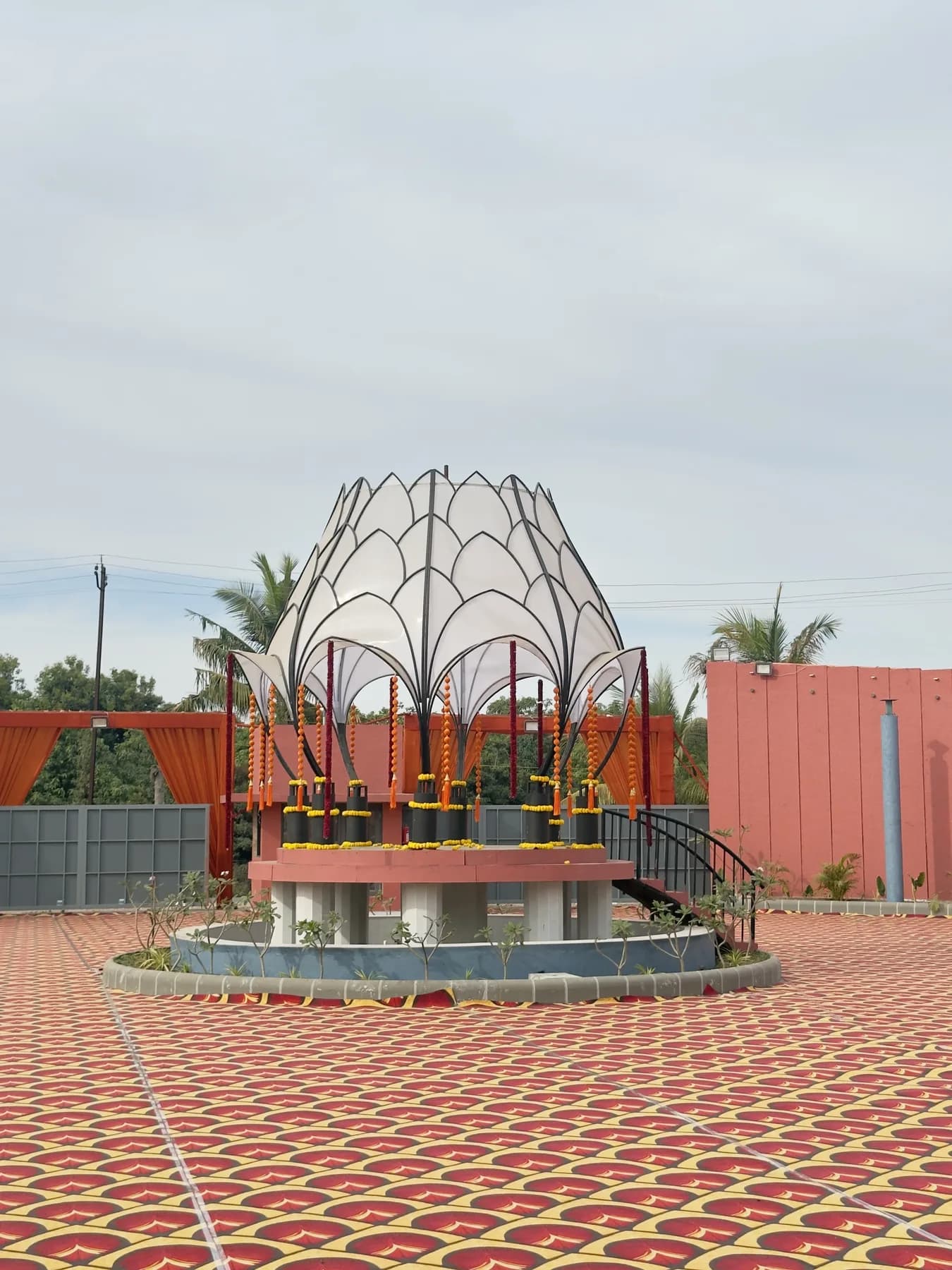
"Banquet hall" and "party plot" get used almost interchangeably in casual conversation, but they're built for different things. Picking the wrong one for a given function is a common — and avoidable — planning mistake.
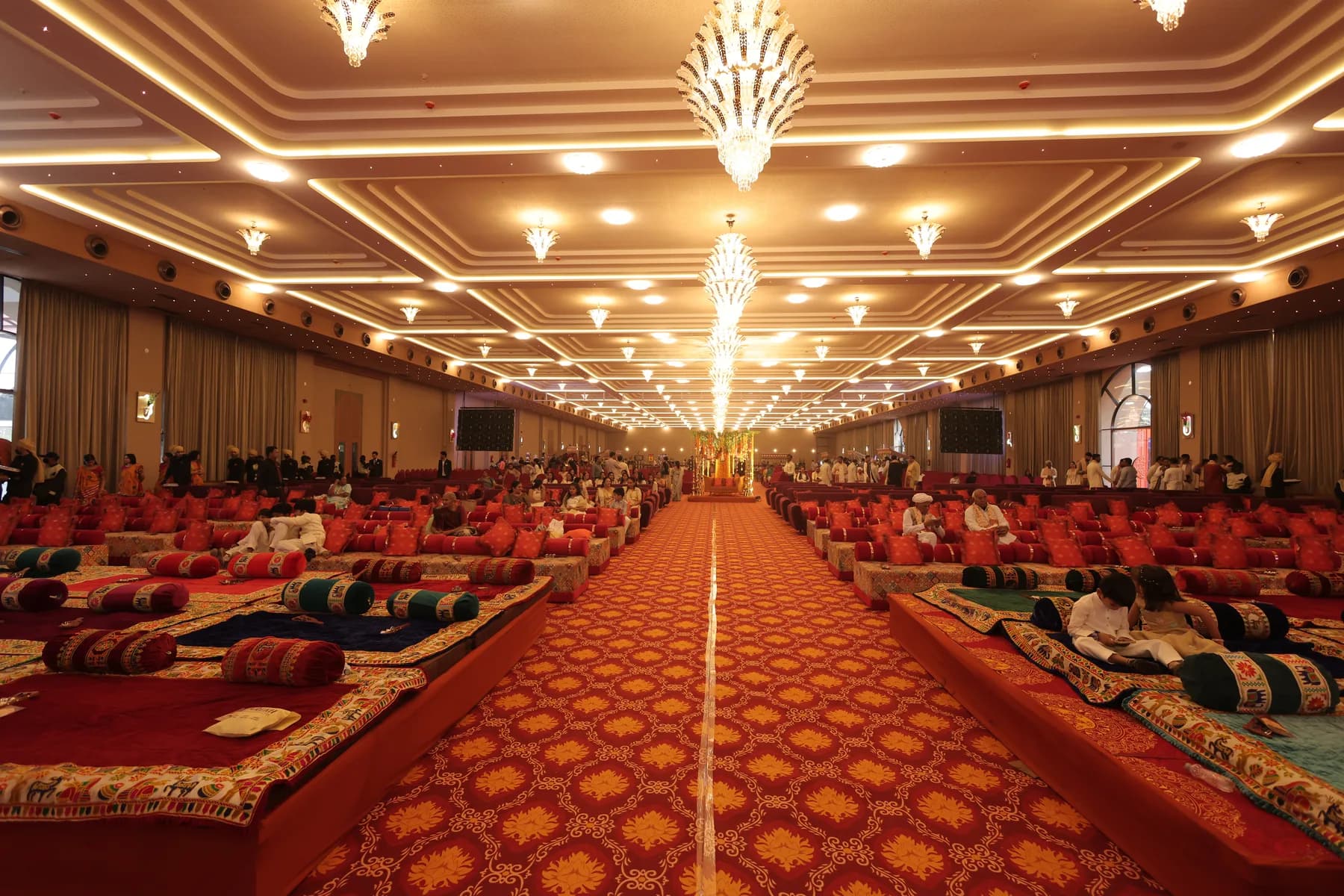
What a banquet hall is actually built for
A banquet hall is a controlled, indoor environment: air conditioning, consistent lighting, a fixed stage, and weather that's a non-issue. It's the right space for the wedding ceremony itself, the reception, and any function where guests will be seated for an extended period.
What a party plot is built for
A party plot is an open-air space, and that openness is the entire point — it suits functions with music, dancing and movement, like sangeet or mehndi, in a way an enclosed hall doesn't. The tradeoff is exposure to weather, so it works best paired with an indoor fallback close by.
Why most weddings end up needing both
A multi-day wedding usually has both kinds of functions: a high-energy sangeet that wants an open floor, and a formal ceremony that wants a controlled indoor room. Trying to force one space to do both jobs usually means compromising on one of the functions.
The simplest fix: one property, both spaces
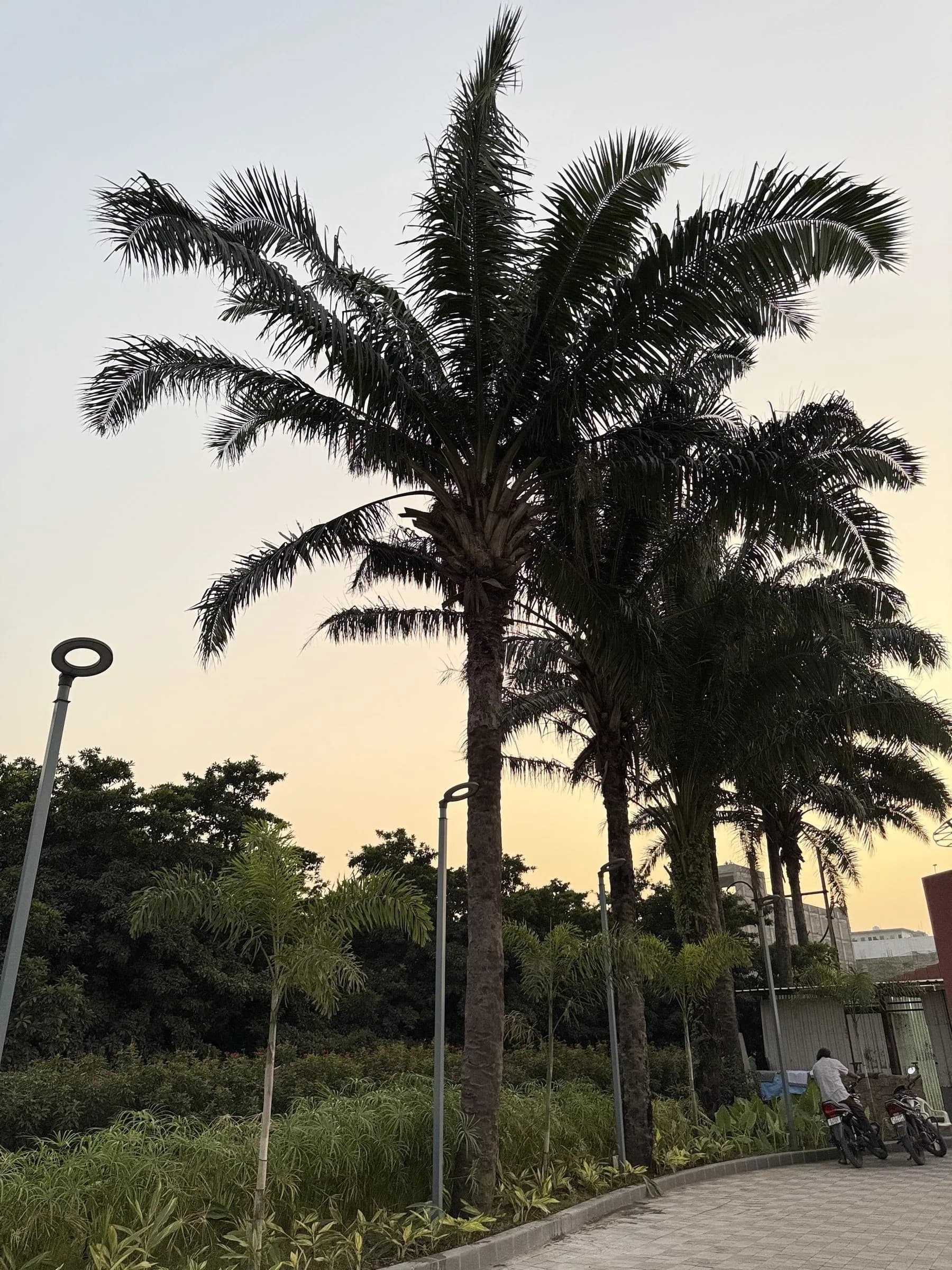
When the hall and the party plot are part of the same property, you're not choosing one over the other — you assign each function to the space it's actually built for, without adding a second venue, a second vendor setup, or a second round of guest logistics.
Sampada Festivity in Surat includes both: a fully air-conditioned banquet hall for up to 2,000 seated guests, and an open party plot scaling to the property's full 4,000+ guest capacity — on one address.
Get in touch to see both spaces and plan which function goes where.